

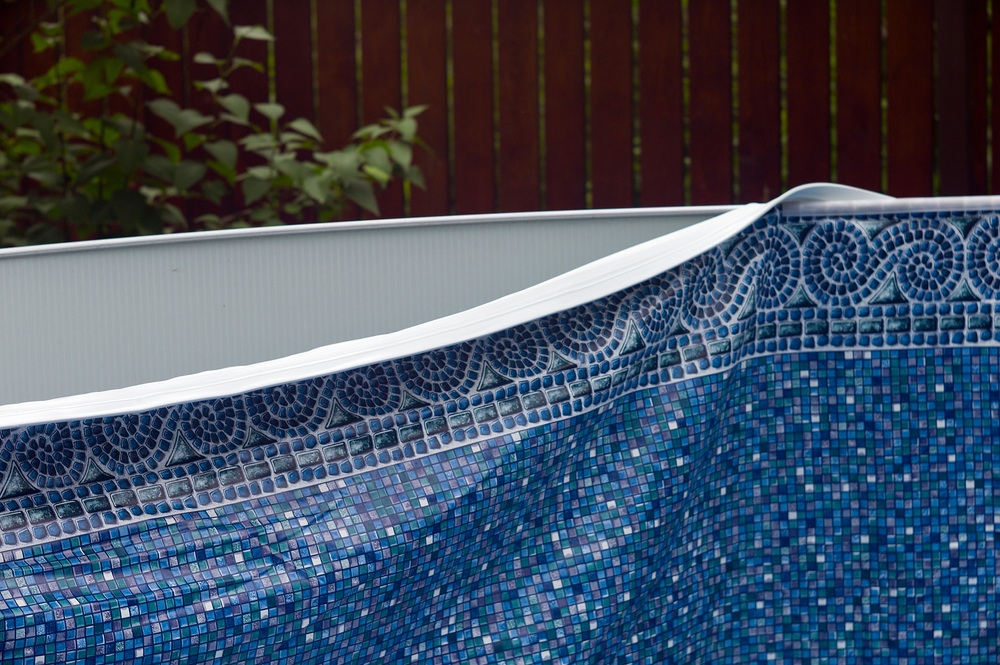
A pool liner is more than just a pretty surface. It protects your pool’s structure, ensures a smooth swimming experience, and plays a key role in water containment. But like any part of your pool, it has a shelf life. While most vinyl liners are expected to last between 8 to 12 years, many don’t make it that far. The reason? Poor maintenance, chemical imbalances, and avoidable wear and tear.
The good news is, with the right care, you can maximize your liner’s lifespan and delay costly replacements. In this article, I’ll show you the most effective ways to keep your pool liner in excellent condition year after year. These strategies are based on what I’ve seen work best over the past decade helping homeowners maintain their pools. With a few smart habits, you can save thousands of dollars and keep your backyard oasis looking flawless.
1. Maintain Balanced Water Chemistry
One of the fastest ways to wear down your liner is neglecting your pool’s chemical balance. When chlorine, pH, and alkalinity levels fall outside the recommended range, the liner takes the hit. Over-chlorination can cause the vinyl to become brittle and prone to cracking. On the flip side, low chlorine levels allow algae to grow, which can stain or degrade the liner material.
Aim to keep your pH level between 7.2 and 7.6 and total alkalinity between 80 and 120 ppm. Check your chlorine levels regularly to ensure consistent sanitization without overdoing it. Test your water at least once a week and more often during heavy use or heatwaves. This small habit makes a big impact in preventing liner deterioration.
2. Prevent Physical Damage with Smart Practices
Your liner may seem tough, but it’s vulnerable to sharp objects, rough pool toys, and improper cleaning tools. Something as simple as allowing kids to jump in with goggles or snorkels in hand can cause small tears over time. Likewise, dragging heavy or abrasive cleaning equipment across the liner can lead to scratches or punctures.
Use pool-safe accessories and soft-bristle brushes specifically designed for vinyl liners. Encourage swimmers to enter and exit the pool safely using ladders or steps. If you vacuum the pool manually, avoid using vacuum heads with exposed metal edges. A little extra caution can prevent damage that weakens the liner and shortens its life.
3. Keep Debris Out and Water Circulating
Leaves, dirt, and other debris aren’t just unsightly—they create a breeding ground for bacteria and algae. When organic matter sits on your liner too long, it can stain the surface or encourage fungus growth, especially in shaded or unused areas of the pool.
Skim your pool daily and brush down the walls and floor weekly to prevent debris buildup. Make sure your pump and filter are working efficiently to circulate water and keep it clean. Good circulation helps distribute chemicals evenly, reducing the risk of localized wear or buildup. A clean pool isn’t just about appearances—it’s about protecting your liner from the elements that break it down.
4. Watch for Water Level Fluctuations
Allowing the water level to drop too low exposes the liner to sun and air, which can dry it out and lead to fading or cracking. At the same time, overfilling can stretch the liner beyond its intended capacity, especially during warm weather when vinyl becomes more flexible.
Keep your water level halfway up the skimmer opening for optimal liner protection. During rainstorms or after topping off your pool, double-check that levels haven’t risen too high. In dry or hot conditions, don’t let water levels drop so much that the liner begins to pull away from the walls. Consistent water levels help preserve the liner’s elasticity and prevent shifting or wrinkling.
5. Close and Open the Pool the Right Way
How you winterize and reopen your pool has a huge impact on your liner’s longevity. During closing, using the wrong cover or failing to properly balance the water chemistry can trap damaging conditions inside the pool for months. Similarly, rushing the opening process can lead to water chemistry imbalances or physical strain on the liner.
Before closing for the season, clean the liner thoroughly and balance the water. Use a high-quality pool cover that blocks sunlight and debris. In spring, remove the cover carefully and inspect the liner for any wrinkles, bubbles, or fading. Slowly adjust the water chemistry rather than shocking it immediately. Taking a few extra steps during opening and closing ensures your liner weathers each season without added stress.
Conclusion
Replacing a pool liner is a significant expense, but with the right care, it’s one you can delay for years. By balancing your water, keeping your pool clean, and treating your liner gently, you’ll preserve its look, feel, and strength far beyond the average lifespan.
If your liner is already showing signs of wear or damage, don’t wait for it to fail completely. Reach out to Aveco Pools. Our team can inspect, repair, or replace your liner with precision and care so you can get back to enjoying a flawless swim experience. Your pool deserves to look its best—and we’ll help make that happen.