

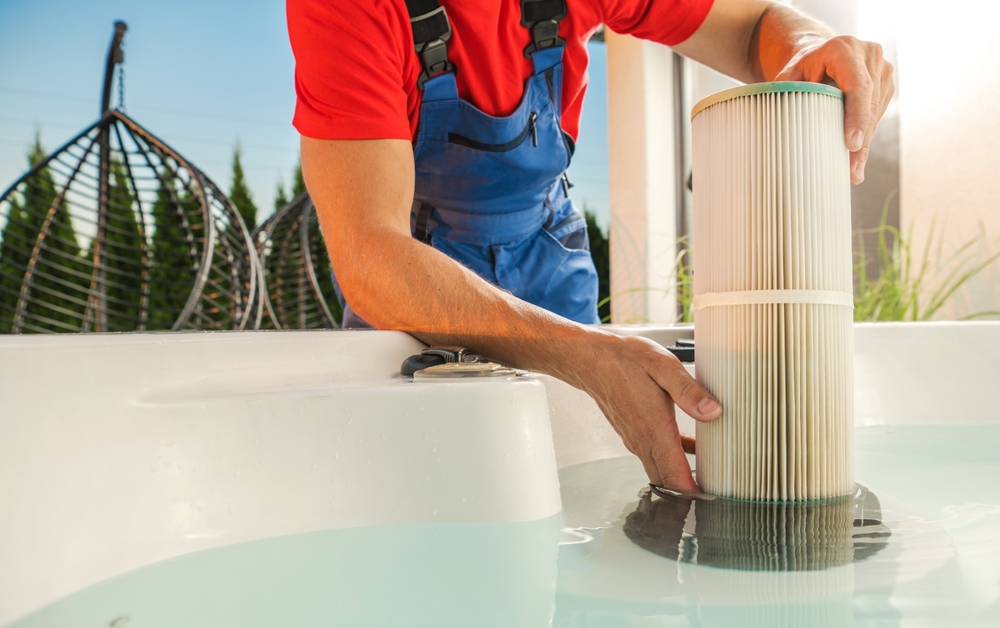
There’s nothing better than diving into a sparkling, crystal-clear pool on a hot day. But if your pool water is starting to look murky, cloudy, or green, the first place you should look is your filter. Your pool filter is the unsung hero of your pool system. It keeps dirt, debris, oils, and microscopic particles from turning your oasis into a swamp. Unfortunately, filters don’t last forever. And if yours is underperforming, your pool will tell you. The key is knowing how to read the signs before small issues turn into costly problems.
In this blog, I’ll walk you through the major indicators that your pool filter needs to be replaced or upgraded. I’ll also share practical advice on how to choose the right filter for your setup, based on years of hands-on experience helping homeowners get the most out of their pools. Whether you own a cartridge, sand, or DE filter, this guide will help you decide if your current system is working for you or against you.
1. Water Clarity Isn’t What It Used to Be
One of the clearest signs your pool filter is on its last legs is cloudy water that just won’t clear up. Even when your chlorine levels are perfect and you’ve shocked the pool, the water remains dull. This is a red flag that your filter is no longer trapping the fine particles it used to.
I once worked with a client who maintained impeccable water chemistry but still had a pool that looked like diluted milk. We discovered that the filter media in their cartridge system was degraded from years of use. A new filter instantly transformed their pool from cloudy to crystal-clear in just 24 hours. If your pool has lost its sparkle, your filter may be to blame.
2. Your Filter Runs Constantly with Poor Results
If you’re running your pool pump longer and longer each day and still not seeing the clean results you used to, your filter might be struggling. Over time, debris builds up inside the filter media, making it harder for water to pass through. This forces the pump to work overtime while achieving very little.
Not only does this increase your energy bills, but it also puts extra strain on your entire pool system. Most filters have a lifespan of three to five years, depending on type and usage. If yours is pushing past that point, or if it takes forever to circulate water effectively, it may be time to upgrade to a higher-efficiency model.
3. Frequent Backwashing or Cleaning Isn’t Fixing the Issue
Every pool filter needs regular maintenance. Cartridge filters need to be hosed off, sand filters require backwashing, and DE filters need to be broken down and cleaned. But if you’re cleaning or backwashing your filter more frequently than usual, and it’s still not performing, it might be worn out.
One homeowner I worked with was backwashing his sand filter twice a week just to maintain semi-clear water. We tested the sand inside and found it had compacted and lost its grit. New filter sand solved the problem, but in some cases, replacing the entire filter is the more efficient option. When maintenance stops being effective, it’s a strong indicator that the filter has reached the end of its life.
4. Pressure Gauge Readings Are Off the Charts
The pressure gauge on your filter is more than just a number. It’s a vital tool that tells you how hard your system is working. A high-pressure reading typically means the filter is clogged and struggling to circulate water. If cleaning doesn’t lower the pressure, it’s a sign that the filter media is no longer functioning.
On the flip side, a low-pressure reading might suggest there’s a crack or air leak preventing the filter from building the pressure it needs to operate efficiently. Either way, abnormal pressure readings that can’t be corrected by normal cleaning should prompt a closer inspection and potentially a replacement.
5. You’re Upgrading Other Pool Equipment
Many pool owners focus on upgrading their pump or heater for efficiency, but forget that their filter plays an equally important role. If you’ve recently installed a variable-speed pump or switched to a saltwater system, your filter may no longer be the best match.
Modern filters are designed to work in harmony with today’s high-efficiency pool systems. For example, some older sand filters can’t handle the lower pressure flow of variable-speed pumps. Upgrading your filter at the same time ensures everything works together, extends the life of your equipment, and maximizes your energy savings.
Conclusion
Your pool filter is a workhorse, but like any piece of equipment, it wears out over time. From murky water to inefficient operation, the signs of a failing filter are easy to miss until they start costing you more time and money. But by paying attention to water clarity, run times, pressure readings, and maintenance frequency, you can stay ahead of the curve.
If you suspect your filter might be due for an upgrade, don’t wait until a minor issue becomes a major headache. At Aveco Pools, we help homeowners assess their current systems and choose the right filtration solution for their needs. Contact us today for a consultation and start enjoying a cleaner, clearer, more efficient pool.