

Most pool owners notice small leaks and think, “It’s just a little water, no big deal.” But that mindset can quickly drain more than just your pool—it can drain your wallet. Ignoring even minor leaks can snowball into bigger problems, from skyrocketing water bills and chemical usage to damaged landscaping and costly structural repairs. The worst part? Many of these leaks go undetected for weeks or even months.
As a pool renovation specialist, I’ve seen the consequences firsthand. What starts as a barely noticeable drop in water level often leads to thousands of dollars in repairs when left unresolved. In this blog, I’ll show you exactly why those small leaks are more dangerous than they appear and how you can spot and fix them before they become financial sinkholes.
1. The True Cost of Losing Water
At first glance, a pool losing an inch of water a week might seem like no big deal. After all, water evaporates naturally, especially during hot, sunny weather. But if you’re adding more than two inches of water each week and brushing it off as evaporation, chances are you’re dealing with a leak.
A small leak can waste thousands of gallons of water per month. That doesn’t just impact your water bill. Every time you refill your pool, you’re also diluting chemicals, which means you’ll need to add more chlorine, stabilizer, and pH balancer. Over time, those extra costs can add up to hundreds—or even thousands—of dollars a year.
2. Equipment Strain and System Failure
Leaks don’t just impact the water level. They also put serious stress on your pool’s circulation and filtration systems. When the water level drops below the skimmer or returns, your pump can begin sucking in air, which leads to cavitation and eventually burns out the motor.
I once worked with a client whose pool pump failed just three years into its life cycle. After some inspection, we discovered the real culprit was a slow leak that caused the pump to operate with inconsistent water flow for months. Replacing the pump cost over $1,000—and it could have been avoided entirely with early leak detection.
3. Structural and Surface Damage Adds Up
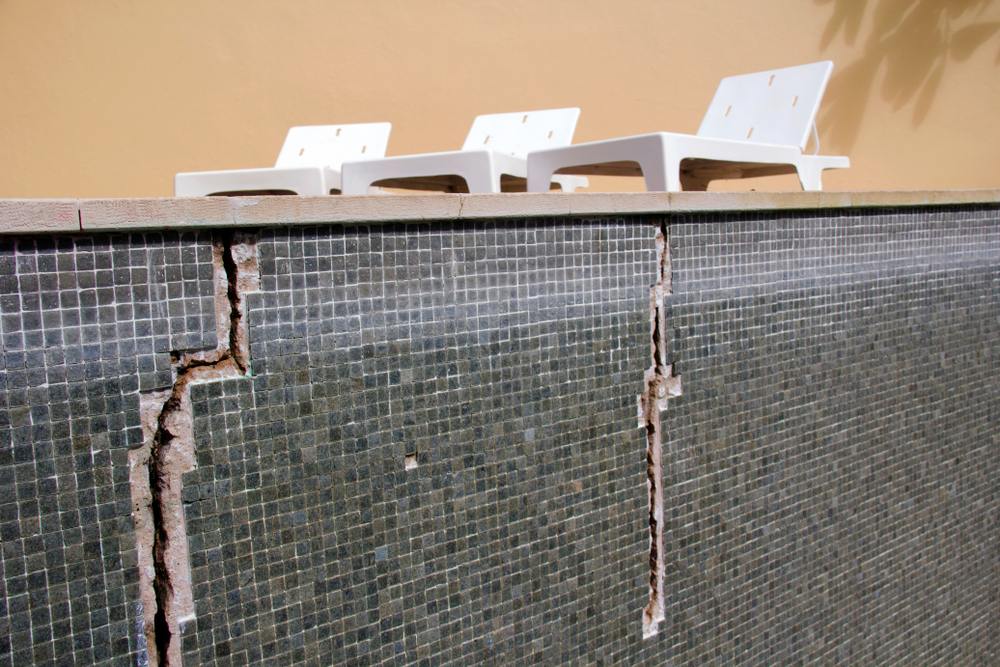
Water leaking from your pool doesn’t just disappear harmlessly into the ground. Over time, it can erode the soil beneath and around your pool, causing shifts in the pool shell or patio. This leads to cracking, tilting, or even full-scale foundation damage.
For vinyl-lined pools, leaks can cause the liner to bubble or separate from the walls. In concrete pools, prolonged moisture exposure can weaken the shell and allow algae to grow in hidden places. These problems are not just cosmetic—they compromise the safety and longevity of your entire pool structure. I’ve seen minor leaks lead to renovation bills exceeding $10,000 when left unchecked.
4. Catching Leaks Early: What to Watch For
The earlier you catch a leak, the less damage it can do. One of the simplest tests you can perform is the bucket test. Fill a bucket with pool water, place it on a pool step, and mark the water levels inside the bucket and in the pool. After 24 hours, if the pool water has dropped more than the bucket, you have a leak.
Also, pay attention to recurring signs: Is your water level always low despite normal usage? Are there wet spots in your yard or around the pool deck? Do you notice algae forming in certain areas despite balanced chemistry? These red flags often point to hidden leaks in the plumbing or shell.
5. Professional Detection and Prevention
Some leaks are easy to spot, while others require a trained eye and specialized equipment. Pressure testing the plumbing lines, using dye tests around fittings and lights, or employing electronic listening devices are methods professionals use to find elusive leaks.
Getting a professional leak detection service might cost a few hundred dollars, but it can save you thousands by catching the problem early. Additionally, regular pool inspections—especially at the beginning and end of each season—can identify weak points and prevent leaks from developing in the first place. Prevention always costs less than repair.
Conclusion
Small pool leaks often start as barely noticeable inconveniences. But over time, they chip away at your pool’s integrity, your equipment, and your budget. By taking leaks seriously from the start, you can avoid expensive repairs, extend the life of your pool system, and maintain perfect water quality with less effort.
If you suspect even a minor leak, don’t wait. Contact the professionals at Aveco Pools. Our leak detection and repair services are fast, accurate, and designed to save you money in the long run. Let us help you keep your pool watertight, worry-free, and ready for every swim.